Choosing the Best 4x4 Winch for your Vehicle

Last updated July 2026
Quick Answer
Choose a 4x4 winch rated at a minimum of 1.5× your vehicle's GVM; so a LandCruiser 300 at 3,350 kg GVM needs at least a 5,025 kg (11,000 lb) winch. For most dual-cab utes and mid-size SUVs, a 9,500 lb–12,000 lb winch covers the full load range. Go synthetic rope over steel cable. Budget $800–$1,500 AUD for a reliable mid-range unit (Runva, Carbon, Warn). Confirm a minimum 3-year warranty with water ingress cover. A snatch block can double your effective pull when you need it most.
We get calls from customers daily asking for our help with what winch is the right winch for their vehicle (or situation or circumstance if it’s for a boat or otherwise). The selection of electric winches in the market is substantial and knowing which one will suit you (and your wallet) is no easy task.
There’s plenty of “choosing the right winch” guides out there but most are fairly basic. We’ve decided to do a bit of a deeper dive with ours. In the end the best decision is a fully informed decision and so with that said, we’re going to try and provide you with the tools to make the best decision possible.
So who's this guide for? This guide is aimed at the casual explorer and off-road touring enthusiast, not the hardcore sport-winching guy or gal. While we have sport winches available, this guide is written more for the consumer looking for a straight up recovery device to help them when trouble strikes.
We also plan on keeping this guide as up to date as possible, as vehicles and technology change, brands come and go, and the market shifts and adjusts, we will keep tweaking, adding, removing and adjusting where necessary. Make sure you subscribe to our newsletter below to stay informed when updates occur.
TABLE OF CONTENTS
- Winches - They’re a bit like Insurance
- What Makes up a Winch
- Do You Really Need a Winch?
- Considerations
- Winch Price and How Much You Should Spend
- Winch Pulling Capacity
- Winch Capacity Formula
- 9,500lb vs 12,000lb
- Steel Winch Cable or Synthetic Rope?
- Winch Cable Length
- Weight - Your Vehicle and Bar Winch and Weight Requirements
- Winch Mounting Methods
- A Good Warranty Is Everything
- Winch Cost Australia
- Recommendations
- Do your Homework
Winches - They’re a bit like Insurance
If you plan on taking your trusty steed off-road, you will eventually get stuck. It is not a matter of if, but when, and it doesn’t matter if your terrain of choice is rocks, mud, snow, or sand.
A winch is one upgrade that new 4WD owners often overlook. While a winch will not give your 4x4 the same performance boost that you will get from a suspension or tyre upgrade, the peace of mind you’ll have knowing it’s there should you need it will make your next off-road adventure a lot more enjoyable.
New 4x4 vehicle owners usually go out to test their new ride in rough terrain without considering the possibility that they could end up getting stuck. It’s this kind if scenario that a winch becomes an indispensable tool that will greatly help you with your vehicle recovery.
Winches have been around for thousands of years, helping people move heavy objects that would otherwise be impossible to budge. And since the advent of electric 4x4 winches, they’ve become an indispensable accessory for any off-road vehicle owner.

The old adage “rather have it and not need it than need it and not have it” comes to mind. You might not use your winch very often, but when you need it, boy is it a lifesaver! And it will certainly make you appreciate this simple but very helpful vehicle recovery tool.
Selecting the correct winch for your vehicle and your specific requirements can be a confusing and daunting (not to mention expensive) exercise. Thankfully we’re here to help!
What Makes Up a Winch?
Winch Definition:
“a hauling or lifting device consisting of a rope or chain winding round a horizontal rotating drum, turned typically by a crank or by motor.”
For the uninitiated, an electric winch is a tool commonly used in vehicle recovery. It’s typically bolted to the front of a vehicle (usually a 4WD or truck) and is used when the vehicle gets stranded and needs help getting pulled out from wherever it’s ended up stuck.
A winch is made up of various components and these include:
Steel Cable/Synthetic Rope
A winch’s cable is commonly made of either steel cable or synthetic rope. Some prefer one material over the other depending on their preference and needs. Each has it's pros and cons which we go through further down.
Winch Drum
The drum on a winch allows the wire to be neatly wrapped when not in use. The winch spool will rotate the drum which then winds the cable.
Gear Train
The gear train is the part of the winch that gears down the motor and turns the winch. The lower the gear ratio, the faster winch.
Winch Motor
The winch motor powers the drum so it can pull and wrap the wire around itself. Winches are typically available in 12 volt or 24 volt models.
Winch Control Box
This is the brain of the winch, and usually consists of wires and a small electrical board that operates the motor. This box, depending on the winch, can usually be mounted on the winch, or within the engine bay with cables running to the winch motor and vehicle battery.

A 12,000lb Winch Motor on a Carbon 12k 4x4 Winch
Do I Really Need a Winch?
There are really just two questions that when answered will help you determine whether you need a winch:
- Do you plan on going off-road on potentially challenging routes with your vehicle?
- Will you ever be travelling solo? Solo meaning there won’t be another four wheel drive vehicle with you.
If you answered no to question 1, and your 4WD is used primarily on standard roads then the likelihood of you requiring a 4x4 winch is almost none.
However, if you answered yes to both questions, then you absolutely should purchase and install a winch on your vehicle. As mentioned above, if you’re going to be travelling off-road it’s not a matter of if you’ll get stuck, it’s when. Don’t risk it.
A winch is an assurance that you will be able to get out of almost any sticky situation on your own. Self-recovery will become much easier, especially in remote locations as you won’t have to wait for help to recover your 4WD.
If question 1 is YES, but question 2 is NO then you need to ensure that who you’re travelling with does have a winch, and that you have at the very least, a decent recovery kit with a good quality snatch strap. That way if either of you get stuck, you can help each other out using the available vehicle, recovery kit and winch.
Keep in mind that your mate with the winch will undoubtedly rub it in your face that he saved your ass. You’ve been warned! ;)
Things to Consider When Buying a Winch
There are a number of factors that should be considered when choosing the correct 12 volt winch for your vehicle, and your overall off-roading needs.
It’s easy to just go with the flow and pick the first winch your mate recommends, or that guy on the Australia 4wd forum with the handle 4wdmaster. He really seems to know it all right? Wrong. Do your research, tick the boxes below and find the right winch for your needs.
Here are some of the things that you need to consider when you are shopping for this important vehicle recovery tool.
Winch Price and How Much You Should Spend
Cost is an obvious factor in any buying decision. But when you begin digging into what attributes of a winch you really want and need, the results usually impact the cost. This can then become something you have little control over.
That’s not to say you have to spend your retirement on a new winch that ticks all the boxes, but going for the cheapest option will often hurt more down the line.
There are a heap of winch options out there, ranging in price from the dirt cheap $300 options right into the thousands of dollars gold standard types. And for the most part they all claim to be the best in the business. And with exciting and catchy names that elicit visions of rugged unstoppable power, what’s not to believe right?
Well, we’re not going to rag on the cheapos but just beware the old saying you get what you pay for. There’s nothing quite like that feeling you get when you’re a thousand miles from nowhere and your $299 winch burns out on you. You’ve been warned.
Runva Performance Winches are easily one of the best priced winching and recovery brands available. Their products aren’t cheap, but they’re also not eye-watering expensive. Runva make a mid-priced high quality winch that has a great reputation in the market.
Warn Winches certainly have a reputation for being a top-of-the-range recovery brand. Developed in the United States and sold in more than 65 countries around the world, it’s a solid brand. Warn is a great premium product but it comes at a price.
Capacity Rating
Considering that the primary purpose of a 4x4 winch is to pull you out of whatever situation you find yourself in, it’s important to know the winch in question will be strong enough to do the job.
Winches are rated by the weight that they can pull, known as the winch line capacity rating. This is usually shown in pounds (lb), which can be translated to kilograms (kg) with a simple calculation:
divide the pounds of the winch by about 2.205. Or multiply the kilos of your vehicle by 2.205 to get the minimum pounds your winch should be rated to.
The capacity rating of the winch that you choose should always be more than the gross weight of your vehicle.
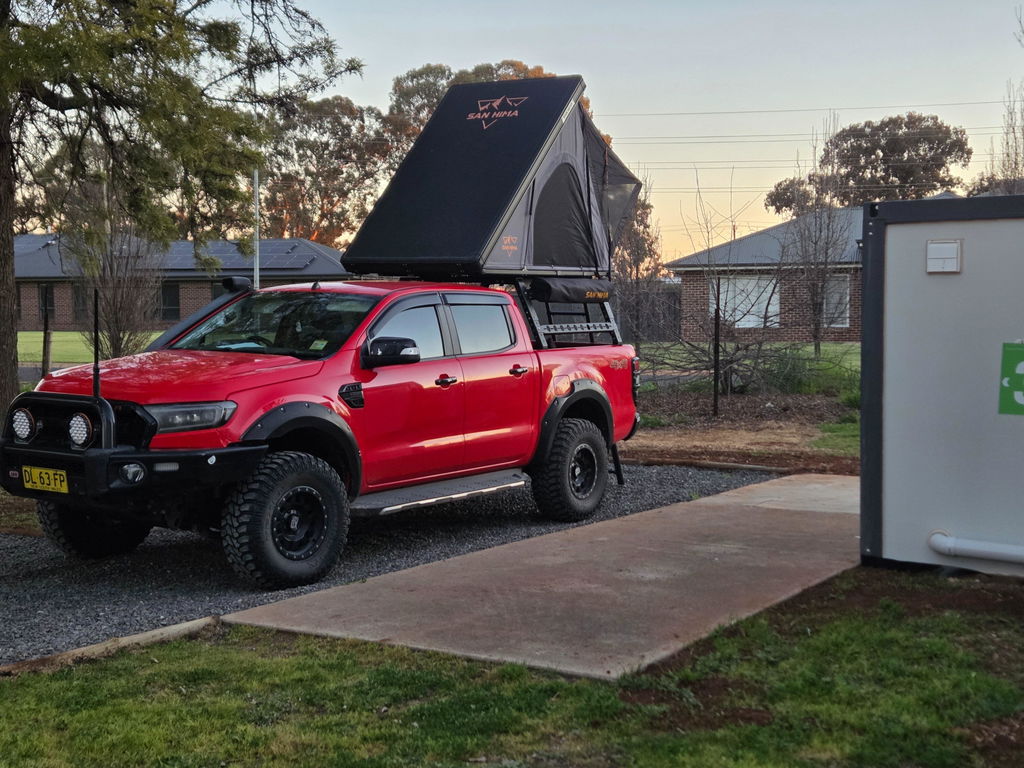
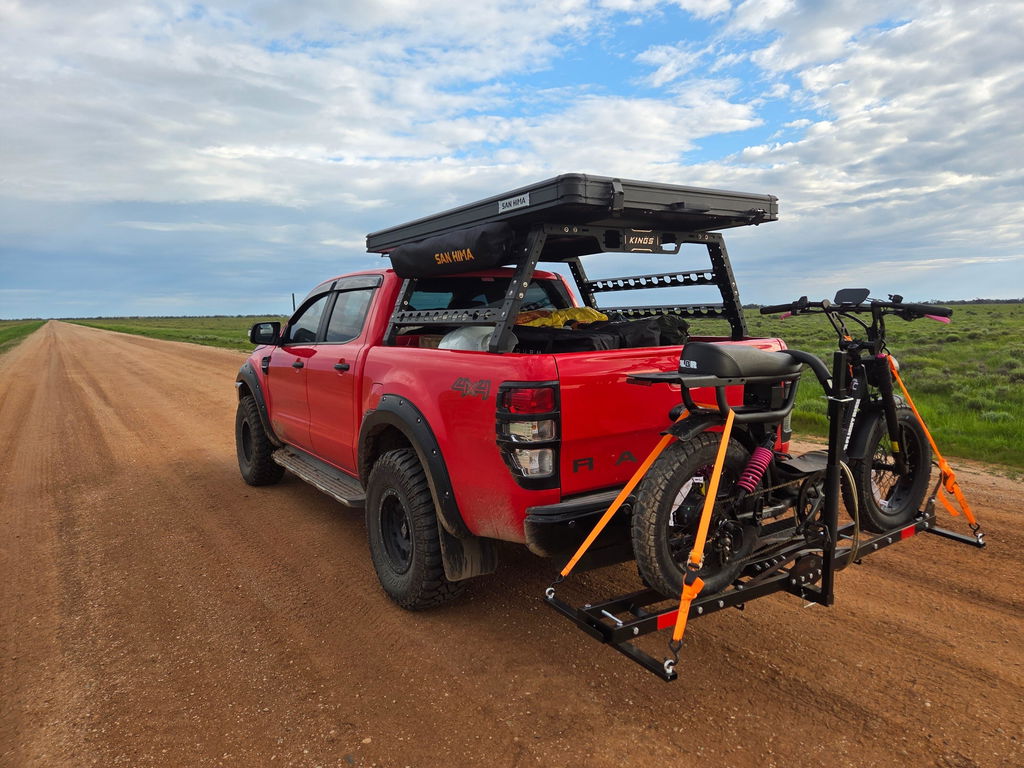
When checking the gross weight of your 4x4, it’s important to include all your gear and accessories that you will tow in addition to the actual weight of your vehicle. Be sure to include items such as roof top tents, water tanks, and any other heavy items.
It’s best to choose a 4wd winch that can pull up to 2 times the gross mass of your vehicle.
QUICK TIP
It can be easy to get bogged down in the line pull capacity of your winch vs your vehicle's weight. Don’t forget that a winch’s pulling capacity can almost be doubled through the use of a pulley block and doubling the rope/cable - a.k.a. 'a double line pull'.
This does slow the process down, but it has many benefits that can be a real lifesaver.
How Much Winch Do You Actually Need? The GVM x 1.5 Formula
The most common mistake 4x4 owners make is sizing a winch by vehicle class: "I've got a Ranger so I'll grab a 9,500 lb." Here's the calculation that actually matters.
The Formula
Your GVM x 1.5 = minimum winch line pull rating
GVM = Gross Vehicle Mass. Find it on the compliance plate inside your driver's door jamb.
The reason you multiply by 1.5 and not 1.0 is that a stuck vehicle is almost never stuck on flat, dry ground. Mud, soft sand, and inclines dramatically increase rolling resistance. A 3,000kg ute in thick red mud can require 4,500 to 6,000kg of pull force to break free. The 1.5 multiplier builds that safety margin in from the start.
Quick Reference: Common Australian 4x4s
| Vehicle | Stock GVM | Min. Pull (x1.5) | Recommended Winch |
|---|---|---|---|
| Toyota LandCruiser 300 | 3,350 kg | 5,025 kg | 12,000 lb |
| Toyota LandCruiser 200 | 3,350 kg | 5,025 kg | 12,000 lb |
| Toyota HiLux (SR5/Rogue) | ~3,100 kg | ~4,650 kg | 11,000 lb |
| Ford Ranger (2022+) | 3,200 kg | 4,800 kg | 11,000 lb |
| Isuzu D-Max (2021+) | 3,100 kg | 4,650 kg | 11,000 lb |
| Nissan Navara (D23) | 3,100 kg | 4,650 kg | 11,000 lb |
| Mitsubishi Triton (MR) | 2,950 kg | 4,425 kg | 9,500 lb |
| Jeep Wrangler (JL) | ~2,550 kg | ~3,825 kg | 9,500 lb |
| RAM 1500 / 2500 | ~3,600 kg+ | ~5,400 kg+ | 13,000 lb+ |
GVM figures are for stock vehicles. Always check your own compliance plate. GVM upgrades, bull bars, long-range tanks and touring setups all increase your loaded weight and may push you to the next winch rating up.
The Double Line Pull: Your Safety Net
If your vehicle sits close to the boundary between two winch ratings, running your rope through a snatch block and back to a fixed point effectively doubles your pulling force. A 9,500 lb winch with a double line pull gives you around 19,000 lb of pull at half the speed. This is why the 1.5x multiplier is the right threshold: the snatch block covers the extreme scenarios beyond it.
How Many Pounds Should a 4x4 Winch Be?
The short answer: for most Australian dual-cab utes and mid-size SUVs, a winch rated between 9,500 lb and 12,000 lb covers the full load range. For larger wagons like the LandCruiser 200 and 300 Series, 12,000 lb is the minimum you should consider.
To get the right number for your specific vehicle, use the GVM x 1.5 formula from the section above and convert to pounds by multiplying your minimum kg pull by 2.205. Here is what that looks like across the most common categories:
- Compact SUVs and older 4x4s under 2,500 kg GVM: 8,000 to 9,500 lb
- Mid-size utes and SUVs (2,500 to 3,200 kg GVM): 9,500 to 11,000 lb
- Heavy wagons and loaded touring rigs (3,200 kg+ GVM): 12,000 to 13,000 lb
- RAM, Chevrolet and big truck builds: 13,000 lb and above
One thing worth keeping in mind: winch pull ratings are measured with a single layer of rope on the drum. As more rope wraps around the drum, the effective pull drops. A 12,000 lb winch with five layers of rope wound on can be pulling at closer to 7,500 lb at the outermost layer. This is another reason to size up rather than down, and to always spool out as much rope as possible before you start pulling.
If you are unsure where your build sits, our team can help you work it out. Give us a call on 1300 76 86 41 or browse our full range of 4x4 winches.
What Is the Difference Between a 9,500 lb and 12,000 lb Winch?
This is one of the most common questions we get, and the answer is not just about raw strength. Here is how the two ratings compare across every dimension that matters in the field.
| Feature | 9,500lb | 12,000lb |
|---|---|---|
| Pulling capacity | 4,310kg | 5,443kg |
| Typical line speed | Faster (lighter load on motor) | Slightly slower under load |
| Physical size and weight | Lighter and more compact | Heavier, may need larger bull bar |
| Price range (AUD) | $700 to $1,100 | $900 to $1,500+ |
| Best suited to | Utes and SUVs under 3,000kg GVM | Wagons, heavily loaded tourers, 3,000+ kg GVM |
| Recommended rope | 10mm synthetic, 25 to 28m | 10mm synthetic, 25 to 30m |
The practical takeaway: if your GVM calculation puts you close to the 9,500lb threshold, step up to 11,000lb or 12,000lb. The price difference between ratings in the mid-range bracket is relatively small, and you will never wish you had bought less winch on a remote track at night.
If fitting a compact bull bar or working within tight weight limits, the 9,500 lb may be the right call. Just confirm with a snatch block that you have a double-line option available for worst-case recoveries.
The 13,000lb Middle Ground
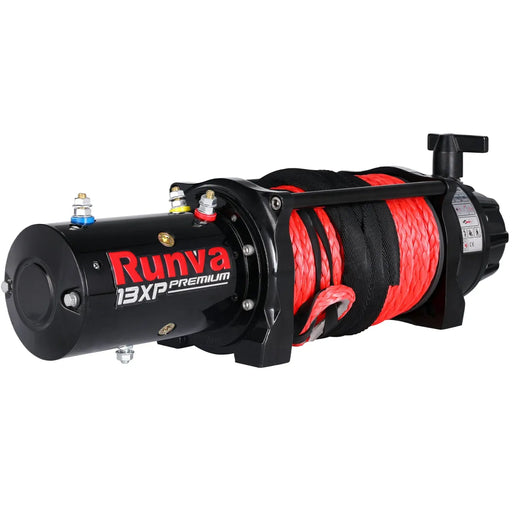
If your GVM calculation is pushing you toward 12,000lb but you want a bit more headroom without jumping to the 14,000 to 15,000lb heavy-duty models, the Runva 13EXPEDITION 13,000lb Winch is worth a look. It sits in a convenient gap in the market: rated for the larger end of the dual-cab ute and wagon segment, available in both 12V and 24V, and without the size, weight, and price penalty that comes with stepping up to a purpose-built heavy-duty unit. A smart choice for a loaded LandCruiser 200 or 300, a RAM 1500, or any build sitting at or above 3,200 kg GVM.
Are Synthetic Ropes Better Than Steel Cables for 4x4 Winches?
For most recreational and touring 4x4 use in Australia, yes: synthetic rope is the better choice. Here is why, and the one situation where steel still makes sense.
Why Synthetic Rope Wins for Most Drivers
- Safer when it snaps. Synthetic rope drops to the ground instead of recoiling violently. Steel cable stores enormous kinetic energy under tension and has caused serious injuries when it fails.
- Lighter. A 10 mm x 28 m synthetic rope weighs around 2 kg versus 7 to 9 kg for an equivalent steel cable. Less weight on the nose means less impact on your suspension and steering.
- Easier to handle. No wire splinters, no risk of cutting your hands through gloves.
- Floats in water. In creek crossings and water recoveries, synthetic rope does not sink into the mud and jam the drum.
- Can be repaired in the field. If it snaps, a synthetic rope can be spliced back together. Steel cable cannot.
When Steel Cable Still Makes Sense
- High-abrasion environments where the rope drags repeatedly over sharp rock ledges
- Commercial and industrial applications with heavy daily use
- Budget builds where the cost difference matters and the winch sees occasional light use only
Caring for Synthetic Rope
The main maintenance requirement is keeping it clean and UV-protected. Rinse it with fresh water after muddy recoveries, re-spool it loosely when storing for long periods, and keep it out of direct sun when not in use. Modern UHMWPE ropes like Dyneema and similar fibres are exceptionally strong but will degrade faster if neglected.
All of our recommended mid-range winches come standard with synthetic rope. If you have an older steel cable winch and want to upgrade, replacement synthetic ropes are usually a straightforward swap.
We have a full deep-dive article on this topic if you want to go further:

Length of the Cable
These days almost all winches come with the winch cable or synthetic rope. It’s usually between 25 - 30m in length which is a good start.
It’s recommended that you include a decent 20m winch extension in your recovery kit as you never know when you might need that additional length. You’d be surprised how quickly 30m of cable is used up, especially if you need a double line.
Weight - Your Vehicle and Bull Bar’s Winch and Weight Requirements
Aside from the gross weight of your vehicle, you should also pay attention to the weight that you’re loading up front. Once you add a bull bar and then the winch it can easily tip the scales and push your suspension to it’s limits. Generally speaking a decent bullbar will sit around 60kgs, and a winch at 30kgs and you’re already pushing certain vehicle limits.
If you overload your vehicle it will affect it’s structural integrity, not to mention make the driving experience crappy and even jeopardise your insurance (it’s technically illegal to overload your vehicle). Consider upgrading your suspension if you’re going to be pushing the weight limits.
Winch Mounting Methods
There are various ways of mounting a winch (bumper, multi-mount, hidden etc). Most winches allow for whatever method of mounting you want, with the various brackets included.
When making your decision on a winch consider which method you will be going with and check that the winch includes everything required for the installation. Most winches are ready for a standard mounting on a winch compatible bullbar with all the necessary brackets and bolts.
If you’re unsure about whether the winch will fit your bull bar be sure to check the various specifications of the winch against the bar. Primarily you’ll want to check the mounting bolt pattern of the winch (where the bolt holes are placed that will hold your winch in place) and the overall dimensions of the winch to confirm that your bar provides sufficient space.
Once you've settled on a winch, our step-by-step guide to installing a winch on your bullbar walks through checking your cradle and bar rating, mounting, wiring and testing it properly.
A Good Warranty is Everything
Any self respecting winch brand should have a minimum 3 year warranty across their electrical components, that includes water ingress.
Always ensure the warranty of the 4x4 winch you’re considering includes protection against water ingress damage. Often this is assumed but on deeper inspection (i.e. buried in the fine print) they exclude it.
You also ideally want a brand that has a decent local presence with easy to reach support. You’re going to want to be able to pick up the phone and speak with a real knowledgeable person about any trouble you might be having and not have to rely on back and forth emails, some wide eyed sales kid, or some foreign call center.
How Much Does a 4x4 Winch Cost in Australia?
In 2026, you can expect to pay anywhere from $300 to $3,000+ for a 4x4 winch in Australia depending on brand, capacity, and build quality. Here is an honest breakdown of what each price range actually gets you.
| Price Range (AUD) | What You Get | Our Take |
|---|---|---|
| $300 to $600 | Generic no-name winches, limited IP rating, short or no warranty, steel cable only | Avoid for serious off-road use. Fine for occasional light-duty work near home. |
| $700 to $1,200 | Reputable mid-range brands (Runva EWL series, Carbon Offroad, VRS), IP67 sealing, synthetic rope, 3 to 5 year warranty | The sweet spot for most touring builds. Genuine quality without the premium brand markup. |
| $1,200 to $2,000 | Top mid-range to entry premium (Runva EXP series, Carbon Offroad Scout Pro series, Warn VR Evo), faster line speed, higher-grade components, strong local support | Worth it if you winch regularly, travel remote routes solo, or want the peace of mind of a premium name. |
| $2,000 to $3,000+ | Full premium (Warn Zeon, Runva EWB series heavy duty), highest duty cycle, commercial-grade build, best-in-class line speed | Overkill for weekend touring. The right call for serious expeditions, heavy vehicles, or commercial recovery work. |
What Drives the Price?
- IP rating. Full IP67 waterproofing costs more to engineer and is worth every cent for river crossings and heavy rain.
- Motor quality and duty cycle. Cheaper winches overheat quickly under sustained load. A higher duty cycle rating means you can run longer pulls without a rest.
- Rope type. Synthetic adds cost over steel but is the right choice for most buyers.
- Warranty and local support. A 3 year warranty backed by an Australian distributor is worth paying for. A 12 month warranty with an overseas return process is not.
Browse our current range of 4x4 winches to see live pricing, or check out our guide on cheap winches before making a final call on budget options.
4x4 Winch Brands Compared
We stock a range of winch brands because different builds, budgets, and use cases call for different gear. Here is an honest rundown of where each brand sits and who they are best suited to.
| Brand | Origin | Capacity Range | Best For |
|---|---|---|---|
| Runva | China, Australian distribution | 9,500 to 13,000 lb | Best all-round value. Our most popular brand, strong warranty backing and a great mid-range price-to-performance ratio. |
| Carbon Offroad | Australian-owned | 9,500 to 12,000 lb | Buyers wanting an Australian-backed brand with local stock and support, solid mid-range build quality. |
| Warn | USA | 9,500 to 17,000+ lb | The premium benchmark. Buyers prioritising brand pedigree, top-tier components, and global support over price. |
| Comeup | Taiwan | 16,500 lb and up | Heavy-duty and commercial-grade recoveries. Strong duty cycle reputation for serious, repeated heavy pulls. |
| VRS | Australia | 9,500 to 12,000 lb | Mid-tier reliability across the recovery gear range, not just winches. |
| Saber Offroad | Australian-owned | 9,500 to 12,000 lb | Buyers wanting Australian design backing in the mid-range bracket. |
| Dobinsons | Australia | 9,500 to 12,000 lb | Better known for suspension, but their winches are a solid, no-fuss option for existing Dobinsons customers. |
| Mean Mother | Australian market | 9,500 to 12,000 lb | Good value mid-range option with a solid local presence. |
Our three best-selling brands are Runva, Carbon Offroad, and Warn, and for good reason: between them they cover the full spectrum from value-conscious mid-range through to premium, with strong local warranty support behind every option.
RECOMMENDATIONS
We have our go-to winches that we suggest to most of our customers. Of course it all depends on their circumstances, but if you are after a solid, dependable and reliable 4x4 12v winch, here are three models we consistently recommend.
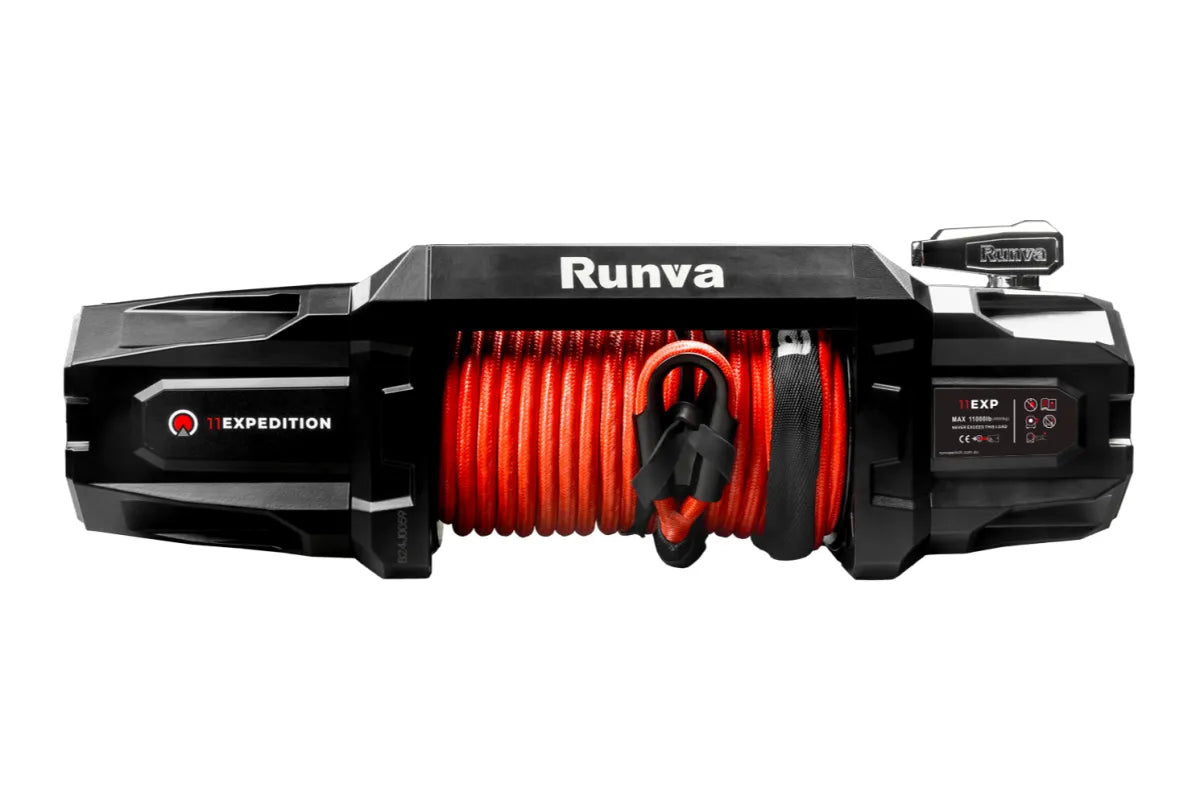

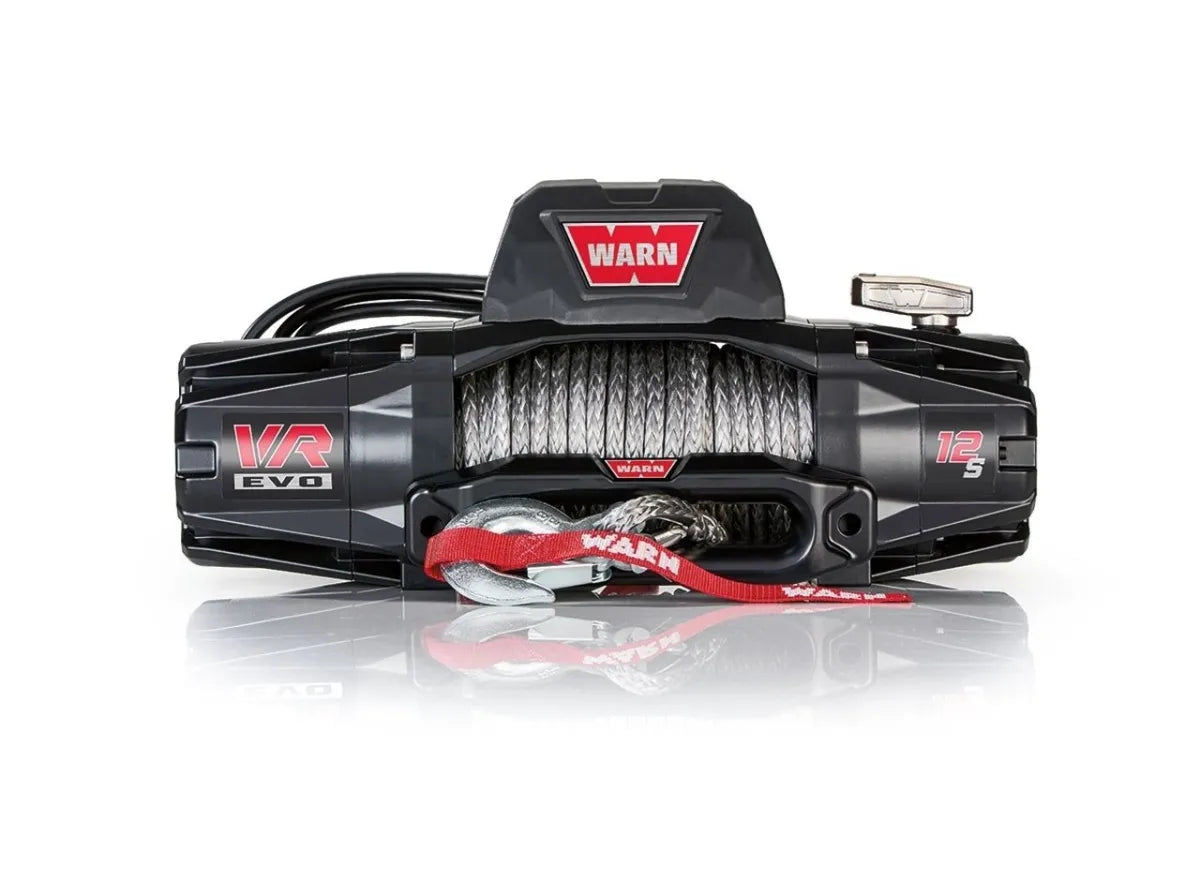
These three models fall into a strong pricing bracket, come loaded with extra value, and have excellent reputations in the off-road community. They also carry great warranties and manufacturer support should you ever need it.
And if you are interested in one of the above Runva winches, check out the below article:
Do your Homework
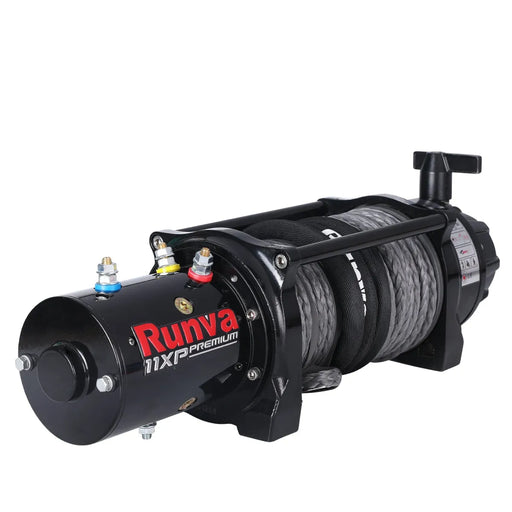
Once you’ve narrowed down your options do some basic Google research with the brand, model of the winch and add ‘reviews’ at the end. For example if you’re considering a Runva 11XP Premium Winch, go to google.com.au and type “Runva 11XP Premium Winch reviews” and do some reading. Go to Youtube.com and type the same thing. A lot of enthusiasts out there have put up videos of their installations, along with reviews and experience.
We’ve got an amazing 4WD community in Australia, use it. Feel free to reach out to us, we’d be happy to talk through the process, provide some guidance and help you make the right decision. You can call us on
Forums such as https://4x4earth.com and the https://australia4wd.com/ forum are full of great people too, who are willing to share their heaps of knowledge and information. Don’t be afraid to reach out and ask for some guidance.
Be sure to check out our selection of the best 4x4 winches available. All our winches come fully supported in Australia with nationwide service support, with 3 - 7 year and lifetime warranties.